



Divergencias entre guías de 2013 y 2014 de la HTA
 Divergencias entre guías de 2013 y 2014 de la hipertensión arterial. Posición de la Sociedad Centroamericana y del Caribe de Hipertensión y Prevención Cardiovascular
Morales-Salinas A, Wyss F, Coca A, Ramírez AJ, Valdez O, Valerio LF.
Divergencias entre guías de 2013 y 2014 de la hipertensión arterial. Posición de la Sociedad Centroamericana y del Caribe de Hipertensión y Prevención Cardiovascular. Rev Panam Salud Publica. 2015;37(3):172–8.
Resumen
Entre finales de 2013 y principios de 2014 se publicaron las guías de hipertensión arterial (HTA) más influyentes a nivel internacional. Aunque no existen grandes diferencias entre ellas, hay discrepancias que pueden repercutir en el tratamiento y el pronóstico de las personas con hipertensión. En este artículo se analizan los principales elementos polémicos de estas guías y se emiten las recomendaciones de la Sociedad Centroamericana y del Caribe de Hipertensión y Prevención Cardiovascular sobre el tema. Las principales divergencias se centran en la categoría de prehipertensión arterial, el uso del riesgo cardiovascular global en la decisión de iniciar el tratamiento antihipertensivo, la vigencia de los betabloqueantes como medicamentos de primera línea en el tratamiento de la HTA no complicada, y el aumento del objetivo terapéutico de mantener las cifras de tensión arterial entre ≤ 140/90 mmHg y ≤ 150/90 mmHg en pacientes mayores de 60 años de edad, sin antecedentes personales de diabetes ni de enfermedad renal crónica. Se analizan críticamente todos los factores a favor y en contra de aceptar cada uno de estos cuatro elementos controvertidos y se incluyen los comentarios que sobre ellos ha realizado la Sociedad. Se concluye que todos los elementos polémicos de las guías de la HTA tienen elementos a favor y en contra. Sin embargo, el peso de la evidencia o el juicio clínico están a favor de subdividir la prehipertensión (Grado I y II), buscar la meta terapéutica de mantener la tensión sistólica de < 140 mmHg en todos los hipertensos de menos de 80 años de edad, mantener a los betabloqueantes como medicamentos de primera línea en la HTA no complicada, y no demorar el inicio del tratamiento farmacológico de la HTA Grado I de bajo riesgo cardiovascular global. Finalmente, se incluyen siete recomendaciones de la Sociedad basadas en los análisis realizados.
Editorial
Monitoreo Ambulatorio de la Tension Arterial
Revista: Medscape. Cardiology
Ambulatory Blood Pressure Monitoring: When Should It Be Used?
Ambulatory Blood Pressure Monitoring: When Should It Be Used? Medscape. Jul 15, 2015.
http://www.medscape.com/viewarticle/847593
Se describe la utilidad de la Monitorizacion Ambulatoria de la tension Arterial, sus usos y beneficios, la importancia en la Hipertension arterial de efecto bata blanca y en la Hipertension Arterial Enmascarada
Is Out-of-Office Blood Pressure Monitoring for Everyone?
Diplomado de Hipertension Arterial
La reanudación del Diplomado Atención al Paciente Hipertenso se efectuará el día viernes 4 de Septiembre, a las 9 am. y que se efectuará, como está programado, en el Anfiteatro del Hospital Calixto García. La coordinadora de este módulo de " HTA y Cerebro" es la Profesora Dra. Yamilé Valdés con la que puden comunicarse por:
Teléfono 7838 2205 o por Email: yamile.valdes@infomed.sld.cu
Articulos Interesantes
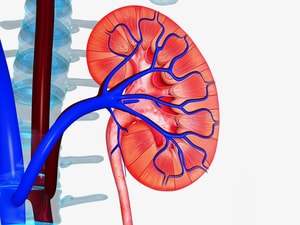 Renal Denervation: Where Are We?
Revista: Medscape
Murray Epstein. Renal Denervation: Where Are We? Medscape. Jul 01, 2015
http://www.medscape.com/viewarticle/847141
Se realiza un comentario interesante sobre la Denervacion renal, este proceder relativamente reciente ha cambiado la vision terapeutica de la Hipertension Arterial Refractaria. Se describen los resultados del estudio reciente SYMPLICITY HTN-3
Strict BP Control in CKD: Hidden Benefits?
Revista: Medscape Nephrology
Strict BP Control in CKD: Hidden Benefits? Medscape. Jul 08, 2015.
http://www.medscape.com/viewarticle/847378
El Control estricto de la HTA en el paciente con una Enfermedad Renal Cronica ¿reporta beneficios?
Se analizan los resultados de un trabajo de este año, relacionado con el control estricto de la TA en pacientes con Enfermedad Renal Cronica: Ku E, Glidden DV, Johansen KL, et al. Association between strict blood pressure control during chronic kidney disease and lower mortality after onset of end-stage renal disease. Kidney Int. 2015;87:1055-1060.
Las metas que plantean pueden ser importantes de acuerdo a las ultimas guias JNC8 y las Guias Europeas de 2013
¿Son adecuadaslas metas actuales de control de la TA?
Guías de HTA
Guías clínicas relacionadas con la hipertensión arterial su manejo y tratamiento (por idiomas).
 Hipertensión arterial. Guía para la prevención, diagnóstico y tratamiento (Guía cubana 2008) [pdf. 1.6 Mb]
Libros
Presentamos algunos libros que pueden servir de apoyo especialmente en la docencia.
 Hipertensión arterial en la atención primaria de salud. (Pdf 2,35 Mg).
Hipertension y embarazo (Pdf: 1.74 Mg)
Enlaces principales
Enlaces a páginas, revistas y sitios, más importantes.
Medicamentos

Aquí les expondremos los principales formularios de medicamentos que les recomendamos para las diversas opciones terapéuticas en el tratamiento de la hipertensión arterial, mediante una indicación personalizada, evaluando las enfermedades asociadas, los riesgos y beneficios del fármaco y compartiendo la decisión final siempre con el paciente.
"Drugs, Supplements, and Herbal Information" (Estados Unidos)
Estudios cubanos
Artículos de hipertensión arterial publicados por autores cubanos
Factores de riesgo de enfermedad cardiovascular en mujeres con
menopausia
Risk factors of cardiovascular disease in menopausal women
Pedro Enrique Miguel-Soca, Mayelín Rivas-Estévez, Yamilé Sarmiento-Teruel,
Antonio Luis Mariño-Soler, Mildre Marrero-Hidalgo, Leticia Mosqueda-Batista
Universidad de Ciencias Médicas. Holguín. Cuba.
www.fac.org.ar/revista
Publicado Online el 30 de junio
de 2014
Por: Raquel González Sánchez, René Llapur Milián, Juana María Jiménez Hernández y Addys Sánchez Pompa. Rev Cubana Pediatr vol.84 no.2 Ciudad de la Habana abr.-jun. 2012.
Comportamiento del uso de hipotensores en el Policlínco "Capitán Roberto Fleites"
Por: Dra. Alicia García Pérez, Dra. Melba Zayas González y Dr. Fernando Martínez Fernández. CorSalud 2013 Abr-Jun;5(2).
Políticas
Políticas trata sobre normas, procedimientos y otros temas sobre las enfermedades crónicas no transmisibles y especialmente la hipertensión arterial.
 Declaración Política de la Reunión de Alto Nivel de la Asamblea General sobre la Prevención y el Control de las Enfermedades No Transmisibles 2011
Programa cubano de hipertensión arterial de 1998
Todo lo publicado en la página
La reanudación del Diplomado Atención al Paciente Hipertenso se efectuará el día viernes 4 de Septiembre, a las 9 am. y que se efectuará, como está programado, en el Anfiteatro del Hospital Calixto García. La coordinadora de este módulo de " HTA y cerebro" es la Profesora Dra. Yamilé Valdés con la que puden comunicarse por:
Teléfono 7838 2205 o por Email: yamile.valdes@infomed.sld.cu